
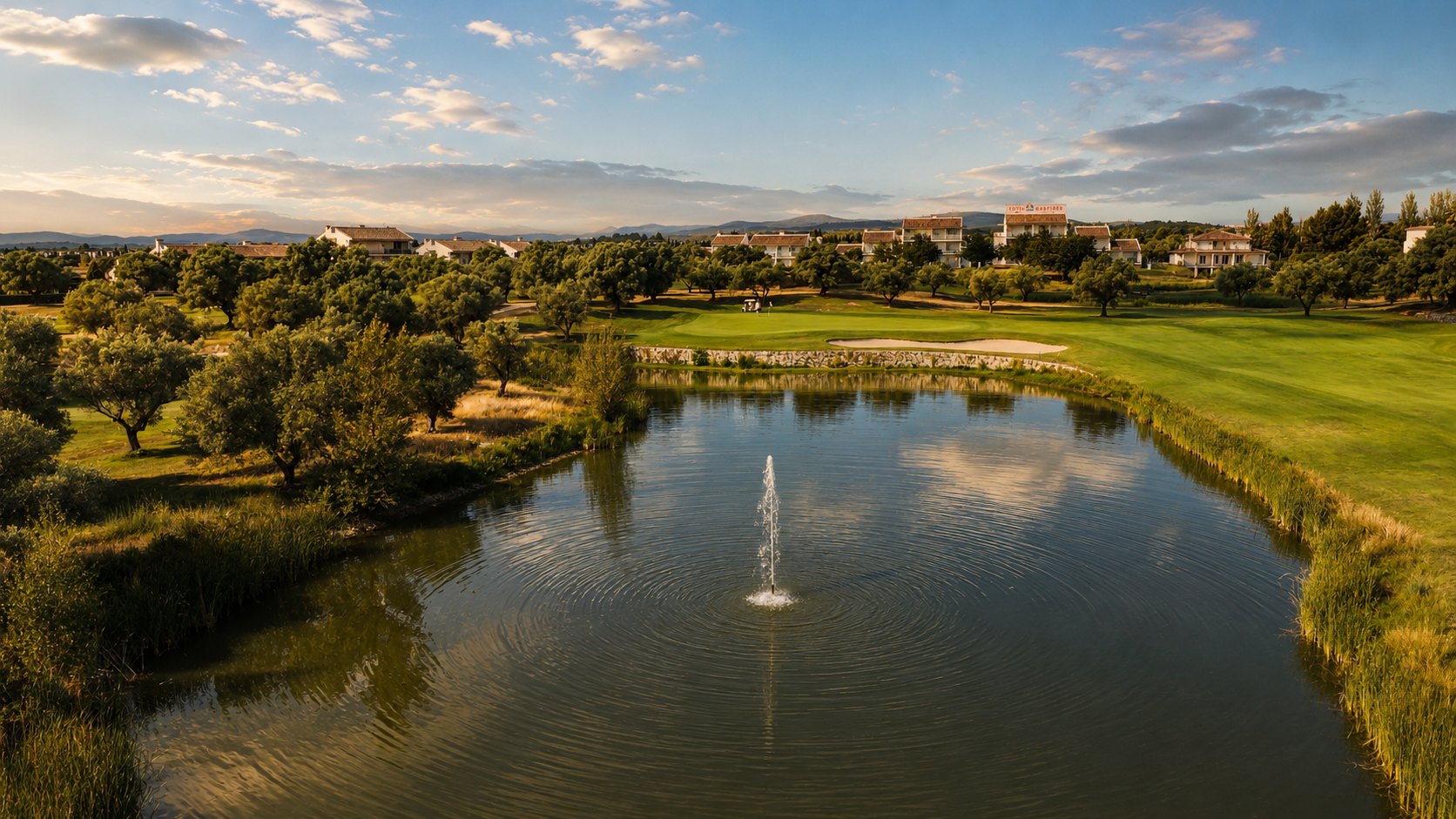
Panorámica was born in 1995 in Sant Jordi, on a Mediterranean estate of olive and carob trees, conceived from the outset for both local and international players. Since then it has established itself as one of the leading golf destinations in the Valencia region, hosting national competitions and events of the Royal Spanish Golf Federation.
In 2026, Panorámica celebrates its 31st anniversary by beginning a new chapter: more social life, better services, more competition and a strengthened golf school.
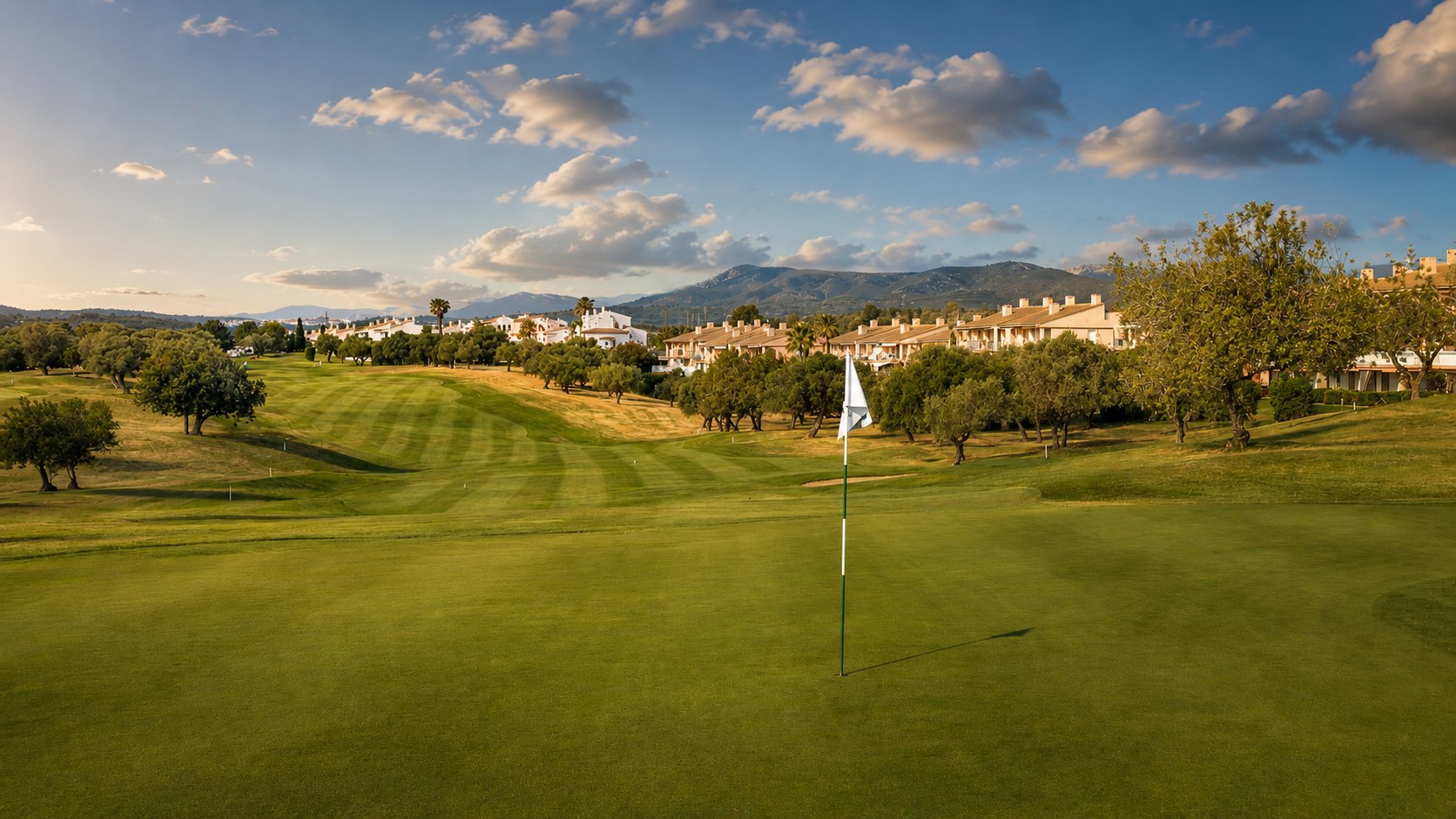
Panorámica is the only course designed in Spain by Bernhard Langer, one of the great legends of European golf. His philosophy puts strategy ahead of power: every hole offers several options from the tee, rewarding placement and thinking over strength — with fairways that respect the terrain and the Mediterranean landscape.
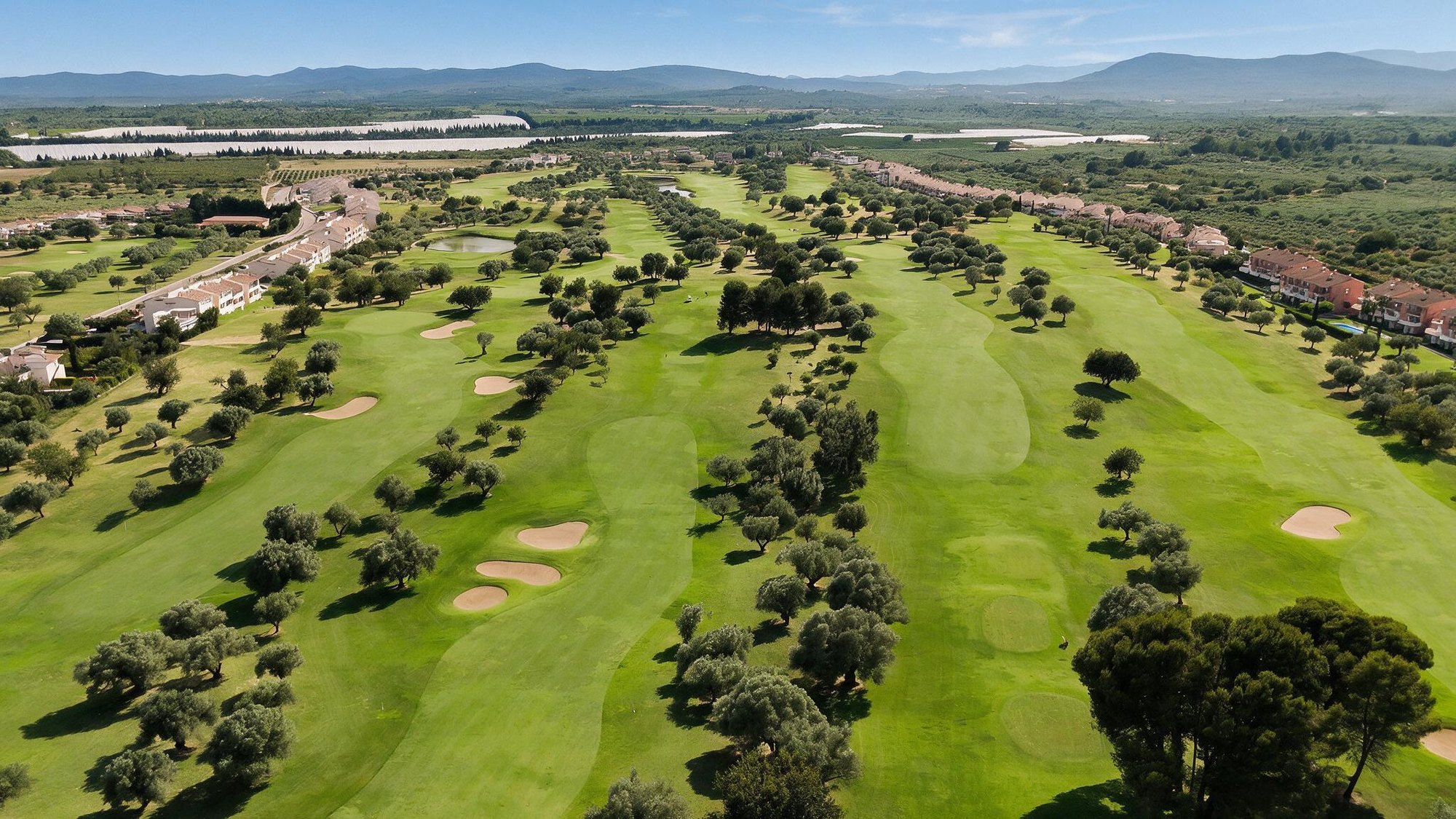
18 holes with lakes, centuries-old olive trees and generous fairways, designed for players of every level and open all year round.
Tap each hole to see its strategy and the professional’s tip.
The opening hole at Panorámica Golf offers a friendly welcome, though not without its demands. From the tee, the width of the fairway inspires confidence and invites you to begin the round with conviction. From the very first shot, however, Bernhard Langer introduces one of the features that will define the entire course: the importance of playing from the right position.
Although the fairway is generous, the aim should not be distance alone. A series of strategically placed bunkers and the slight angle of the hole mean the right-hand side of the fairway offers the best line into the green. The player who prioritises placement will enjoy a far more comfortable second shot.
The green is guarded by bunkers on both sides and features gentle undulations that demand precision with the irons. It is not a particularly large green, so it pays to aim for the centre when the flag is tucked near the edges.
A well-struck driver leaves a short second shot. That said, a long iron or a fairway wood can also be an excellent choice for those who prefer to find the fairway safely.
The second shot should favour precision over aggression. Starting the round with a green in regulation is always a psychological advantage.
The round is not won on the first hole, but it can certainly be complicated there. Playing the centre of the fairway and attacking the centre of the green is usually the smartest strategy.
The second hole is the first clear birdie opportunity on the course. It is a long par 5 with a wide fairway that lets you play with confidence from the tee, although the hole still requires you to plan every shot before playing it.
The lake on the left runs only alongside the opening section of the hole and rarely comes into play for most golfers. The real challenge begins with the second shot, where strategy starts to make the difference.
Longer hitters may consider reaching the green in two, but the risk needs careful thought. For most golfers, the best decision is to break the hole into three well-executed shots, leaving a comfortable distance to attack the flag.
The green sits slightly elevated and is guarded by several bunkers that punish any imprecise approach.
A good drive to the centre opens up every option.
The second shot should suit each player’s game. Taking on the risk only makes sense from a perfect position in the fairway.
This hole rewards patience. Three solid shots usually produce a better result than attempting something extraordinary.
The shortest hole on the course should not be mistaken for the easiest. This elegant par 3 demands a perfectly controlled iron shot to a green guarded by bunkers that call for accuracy in both line and distance.
From the tee the flag looks close, but any error is costly. The left-hand bunker gathers short shots, while the protection on the right makes saving par extremely difficult.
The width of the green allows for a range of pin positions, completely changing the strategy from one day to the next.
The aim should be to find the centre of the green.
Going straight at a difficult flag rarely justifies the risk.
On a par 3, the most common mistake is taking too little club. It is better to play a controlled shot that finishes long than to come up short in the bunkers.
Here comes the first great challenge at Panorámica Golf. At more than 500 metres from the yellow tees, this par 5 demands power, strategy and a great deal of tactical discipline.
The fairway rises gently towards a green well protected by a succession of bunkers, forcing you to plan the hole from the tee.
The width off the tee invites a big hit, though the second shot narrows visually as you approach the green.
Long hitters may try to get there in two, but the margin for error is very small. Most players will fare better by building the hole intelligently.
Driver aimed at the centre.
A positional second shot leaving a comfortable distance.
A high third shot to stop the ball quickly on a well-guarded green.
This is not a hole for heroes. It is a hole for strategists.
Probably one of the most photographed holes at Panorámica Golf.
Water surrounds almost the entire green, creating one of the most spectacular images on the course and, at the same time, one of the most memorable shots for any visitor.
The distance is not excessive, but the psychological factor multiplies the difficulty.
The green has just one side bunker as its only bail-out.
Trust the club you have chosen.
Hesitation is usually the worst enemy on this hole.
Don’t look at the water. Look only at the target.
After the drama of the previous hole, the course changes register entirely. The 6th is a par 4 where placement from the tee becomes absolutely crucial. The fairway is generously wide off the tee, but the design forces you to think carefully about the second shot.
The bunkers in the landing area dictate your club selection from the tee, while the water to the right of the green starts to play on the mind as you move up the fairway. The green, slightly raised and protected by a combination of bunkers and water hazards, demands a very precise approach.
This is not a hole for chasing the perfect shot, but for building par with two well-executed ones.
A driver down the middle leaves a comfortable distance to attack the green. Many players, however, will find a better position using a fairway wood or a hybrid from the tee to stay clear of the fairway bunkers.
The second shot is best aimed at the centre of the green. Pin positions close to the water should only be attacked from a perfect lie.
Extra metres from the tee count for little if they compromise your angle of attack. On this hole, playing from the fairway will always matter more than playing from closer in.
The seventh is one of the most elegant par 3s on the course. Water on both sides of the green creates a visual effect that requires complete confidence in your club selection.
The green is protected by several bunkers at the front and sides, leaving only a narrow entrance. It is not a particularly long hole, but it is a highly technical one.
The width of the green allows for very different pin positions, altering the difficulty considerably.
The shot calls for height and distance control. A ball landing in the centre of the green will almost always leave a reasonable birdie chance.
Going after a tucked pin can turn an apparently simple hole into a double bogey.
The right decision is usually to take one more club and make a controlled swing. Precision comes from balance, not from strength.
The 8th combines length, width and strategy. From the tee, the fairway seems to invite you to reach for the driver without hesitation. As you move towards the green, however, a series of bunkers clearly define the best line of play.
The lake on the right only comes into play on the wildest shots, though its presence adds pressure to the approach.
The green is defended by strategically placed bunkers that require you to come in from the fairway on a good angle.
The best line is usually just left of the centre of the fairway, opening up the second shot completely.
It is not worth chasing distance from the tee if it means losing control of direction.
A bogey here rarely comes from a poor second shot. It is usually the result of poor placement from the tee.
The front nine closes with one of the most demanding holes at Panorámica Golf. Long, elegant and strategically impeccable, the 9th is one of the course’s great challenges.
The fairway stays generously wide for much of the hole, but the bunkers and natural undulations require you to plan the full sequence of shots with care.
The green is protected by several bunkers and demands a very precise approach after a hole whose length has already tested the player.
Only the biggest hitters can consider reaching the green in two.
For most players, success means breaking the hole into three solid shots, leaving a comfortable distance for the third.
Don’t turn a long hole into an impossible one by attempting a heroic shot from a poor position.
The course tests you again immediately with the hardest hole on the card by stroke index. A long par 4 that demands two shots of real quality to have any hope of par.
The fairway is reasonably wide off the tee, but the real challenge lies in the length of the hole and in a green well defended by bunkers that punish any wayward approach.
This is a hole where patience is essential.
The first priority is to find the fairway from the tee.
From there, the second shot is usually a mid or long iron, so reaching the green in regulation is already an excellent effort.
Accepting that par is a great score helps you play this hole intelligently.
The 11th offers an extraordinary combination of length, water and strategy. The lake runs along much of the left-hand side, influencing both the second and third shots.
The width off the tee allows you to play with confidence, but the hole narrows visually as you approach the green.
The green is raised and protected by water and bunkers, calling for a very precise approach shot.
A good drive opens up every possibility.
The most important decision comes with the second shot: attack or lay up.
Before you pull the club, ask yourself whether the risk is really worth it.
Few holes reflect Bernhard Langer’s philosophy as well as this spectacular par 3. Water dominates the scene entirely and calls for one of the most committing shots of the whole round.
The green is protected by a large front bunker and another to the side, leaving a very defined entrance.
The landscaped island in the lake gives the hole a character all of its own and turns every tee shot into an unforgettable photograph.
The absolute priority must be to find the green.
Chasing a difficult flag rarely justifies the risk.
Breathe, choose your club with conviction and make a natural swing. On this hole, confidence counts as much as technique.
The 13th may look like one of the more manageable holes on the course given its length, but Bernhard Langer proves once again that difficulty does not always depend on metres. This is a short par 4 in which strategy and precision count for far more than power.
From the tee the fairway offers a good landing area, though bunkers on both sides dictate the best line of play. The real challenge comes with the second shot, where a large lake completely guards the right-hand side of the green and demands perfect distance control.
The green, slightly elevated and further protected by two bunkers at the back, demands a very precise approach. An overly aggressive shot can easily finish in the water or in the sand.
You don’t always need the driver. A controlled tee shot leaving between 90 and 120 metres offers an excellent chance to attack the flag.
This is one of those holes where the birdie comes from intelligence, not power. Build the hole from the fairway, not from the tee.
The 14th maintains the strategic essence of the course. The fairway is relatively wide, but a succession of bunkers means the landing area has to be chosen with care.
The entrance to the green narrows considerably and rewards the player who has positioned the tee shot well. The green is protected by side bunkers that make recovery difficult.
This is a hole where every shot directly influences the next.
Find the centre of the fairway and leave a short iron into the green.
It is not worth flirting with the bunkers in search of a few extra metres.
This hole’s best defence is not the bunkers, but the way it forces you to think about every shot.
The 15th marks the start of the decisive stretch. It is a long par 4 that demands an excellent tee shot to give you any real chance with a mid to long second approach.
The fairway is relatively narrow and framed by trees and vegetation that punish any significant miss. The green, guarded by bunkers on both sides, requires you to come in from a favourable position.
In competition it is often one of the holes where the biggest differences appear on the leaderboard.
Always prioritise the fairway.
A second shot from the rough immediately turns par into a very difficult proposition.
Patience is once again a virtue here. Don’t try to recover from a poor shot with an even riskier one.
The last par 3 on the course combines a demanding distance with a green well protected by bunkers on both sides.
Although it looks calm enough, the green has several tiers and slopes that make putting extremely tricky if the ball does not finish in the right section.
The wind usually makes itself felt in this part of the course, adding a further strategic factor.
Once again, the best option is the centre of the green.
Pin positions close to the bunkers should only be attacked with absolute confidence.
Don’t let the approaching end of the round disturb your routine. Treat it like any other shot.
The 17th is one of the most visually striking holes at Panorámica Golf. Two lakes run alongside the hole and have a particular bearing on the approach shot.
The fairway offers enough room from the tee, but the second shot demands great precision into a green sitting very close to the water.
Pin positions on the right-hand side produce one of the most spectacular shots of the entire round.
A tee shot to the middle of the fairway lets you attack the green with confidence.
It is unwise to attack a difficult flag when the result is on the line.
Tournaments are rarely won on the 17th — but they can certainly be lost there.
Every great course deserves a memorable finish, and Panorámica Golf delivers with a spectacular par 5 that leads the player back to the Clubhouse.
From the tee, the width of the fairway invites a bold shot, but the real difficulty lies in planning what follows. The run of bunkers, the gentle undulations of the terrain and the excellent protection around the green require concentration right down to the final putt.
Longer players may consider reaching the green in two, though the margin for error narrows considerably towards the end of the hole. For most, the smartest strategy is to build the hole with three well-executed shots.
The approach to the green, with the Clubhouse as a backdrop, offers one of the most elegant finishes on the course and leaves the player feeling they have completed a round designed to enjoy golf at its very best.
A good drive opens up every option, but the second shot should be decided by the lie of the ball, not by the desire to reach the green.
If there is any doubt, laying up is always the better alternative.
The 18th sums up Bernhard Langer’s philosophy: intelligence, precision and strategic discipline. Stay calm to the very last shot; many rounds are decided here.
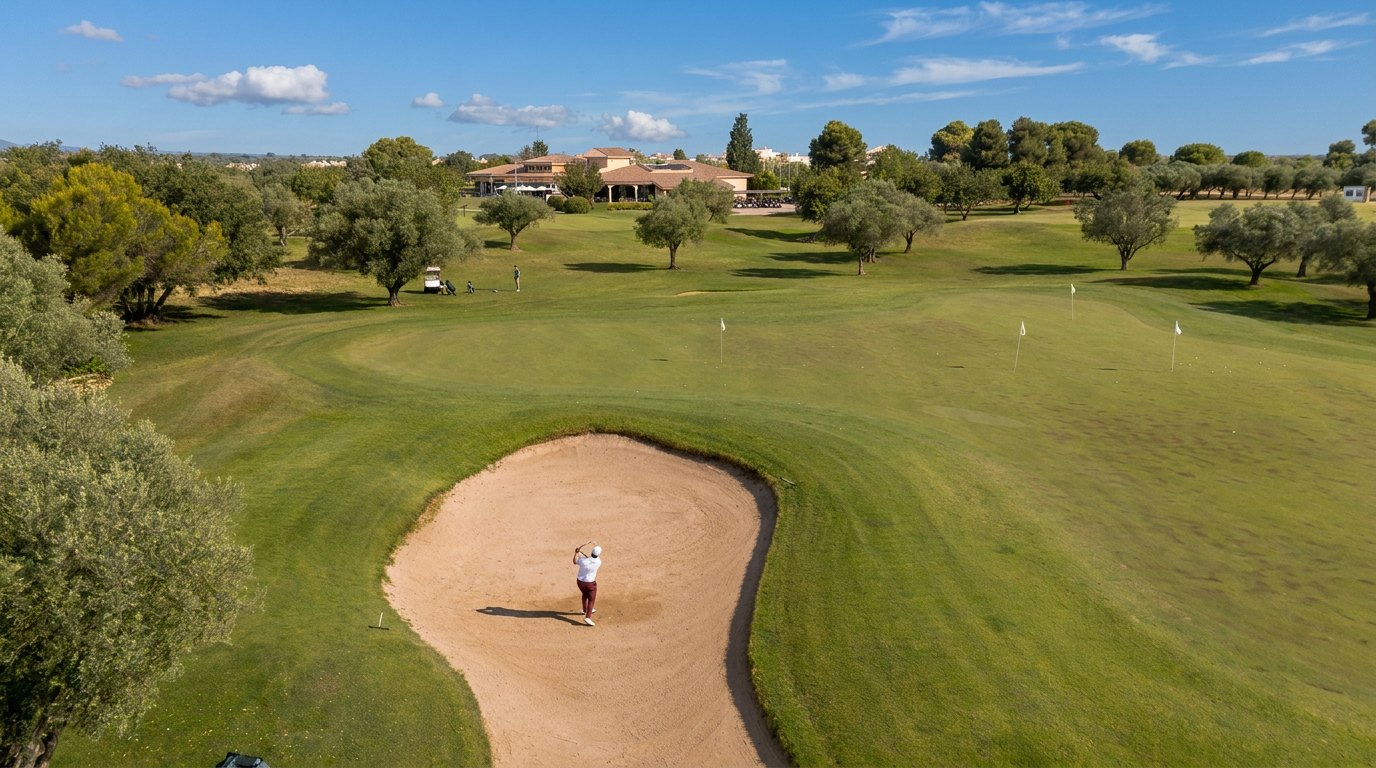
One of the largest practice areas in Europe: everything you need to work on every part of your game, all year round thanks to the Costa del Azahar climate. This is not only a place to play — it is a place to train, learn and improve.
Designed to reproduce real playing situations, and chosen by academies, schools and national and international teams for their training camps.
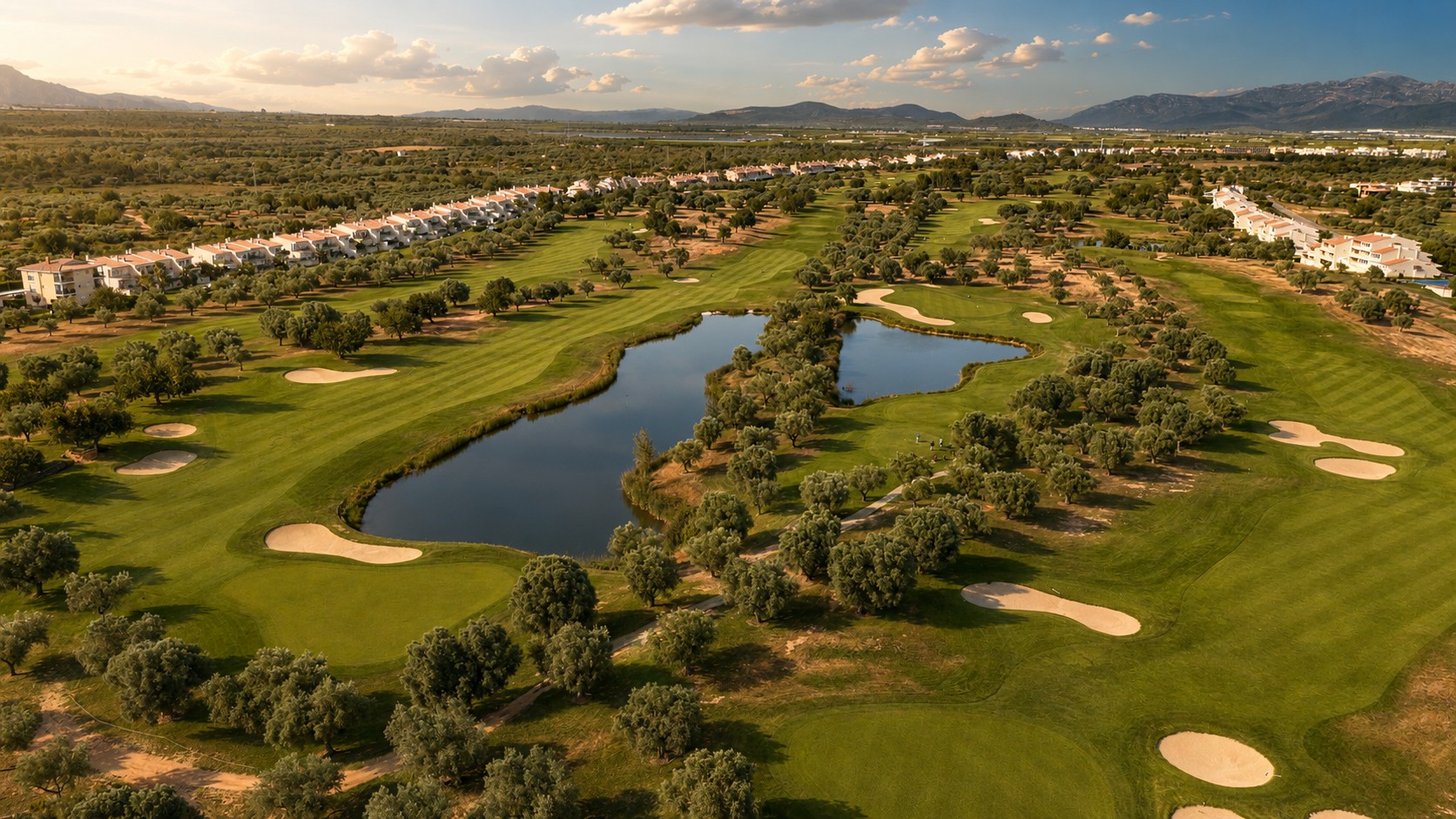
A wide hitting area with targets at varying distances, for both individual and group practice.
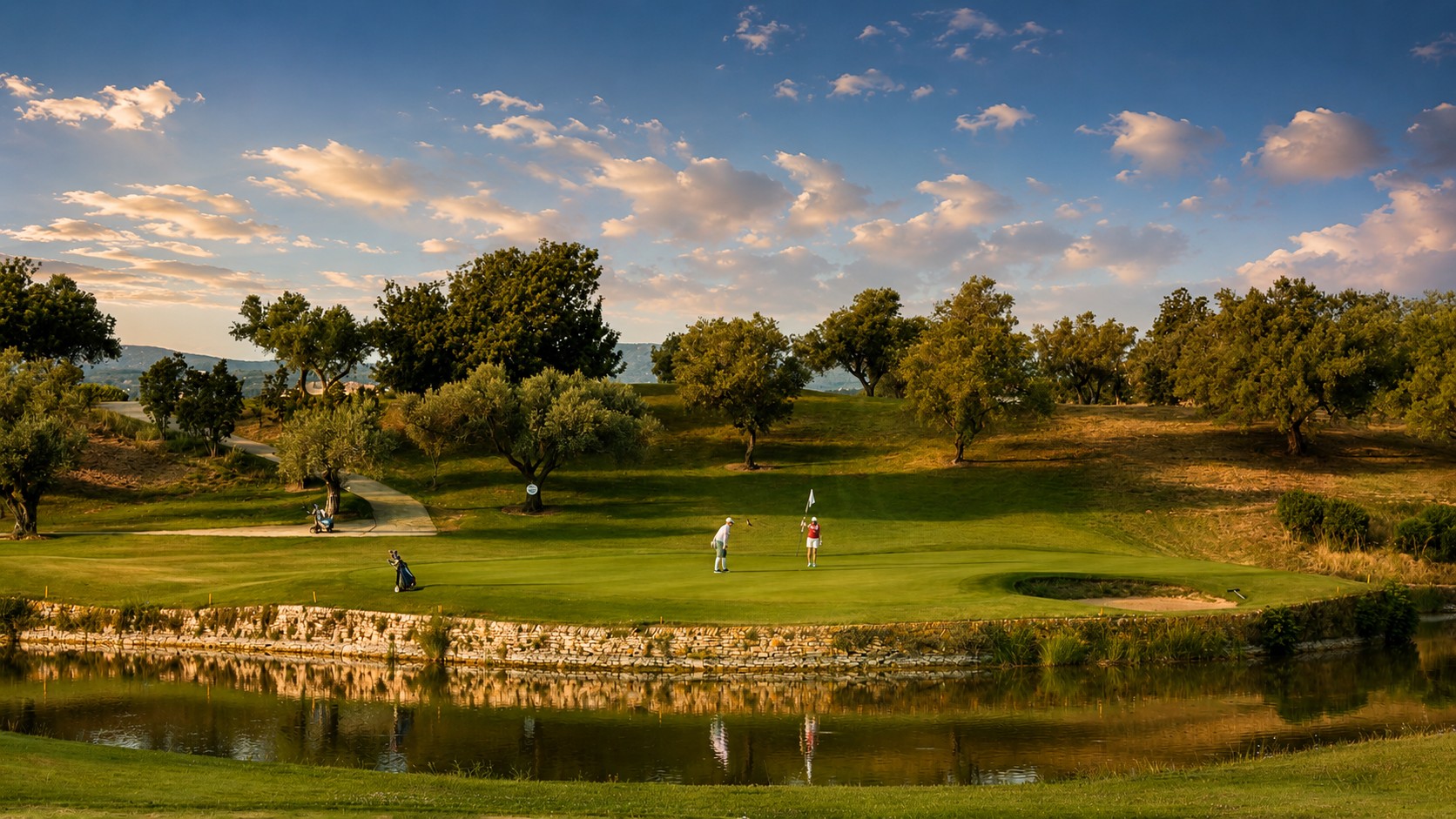
A large putting surface, with varied slopes and speeds, to prepare for your round before heading out.
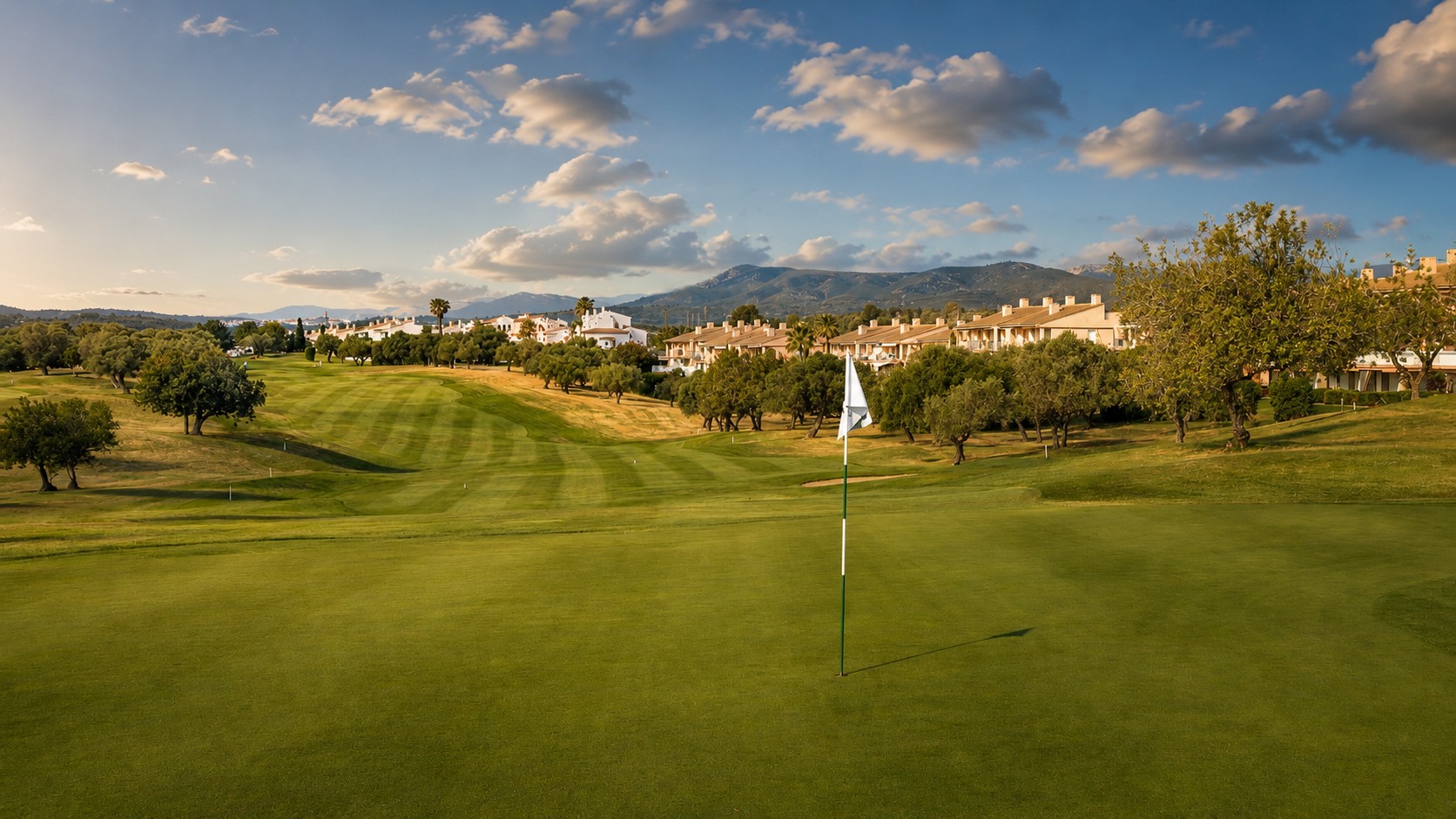
Chipping, pitching, bunker play and approaches from any position — the part of the game that makes the biggest difference on the card.
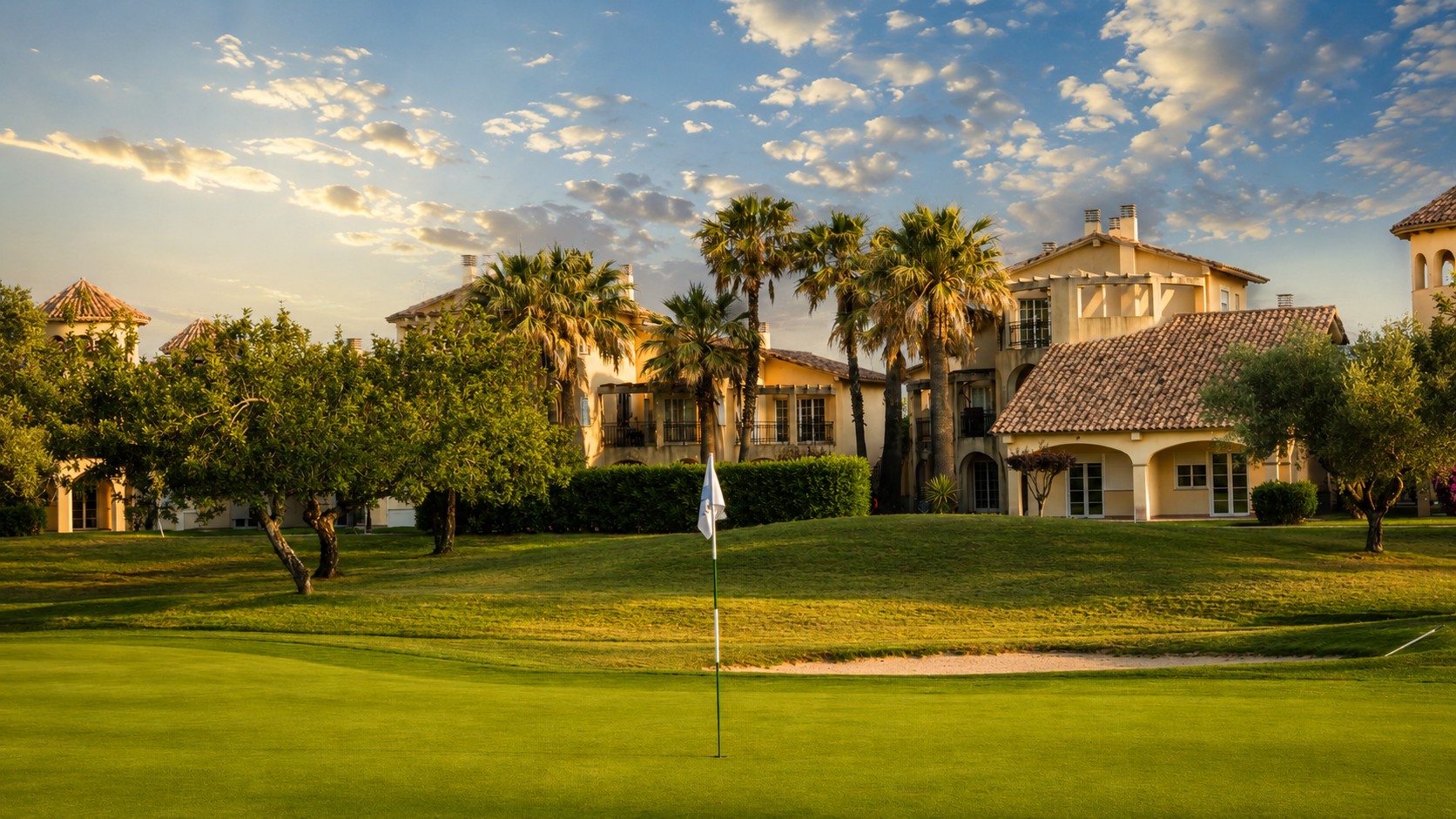
A dedicated par-3 course to take your practice onto the course — ideal for beginners and for the Golf School.